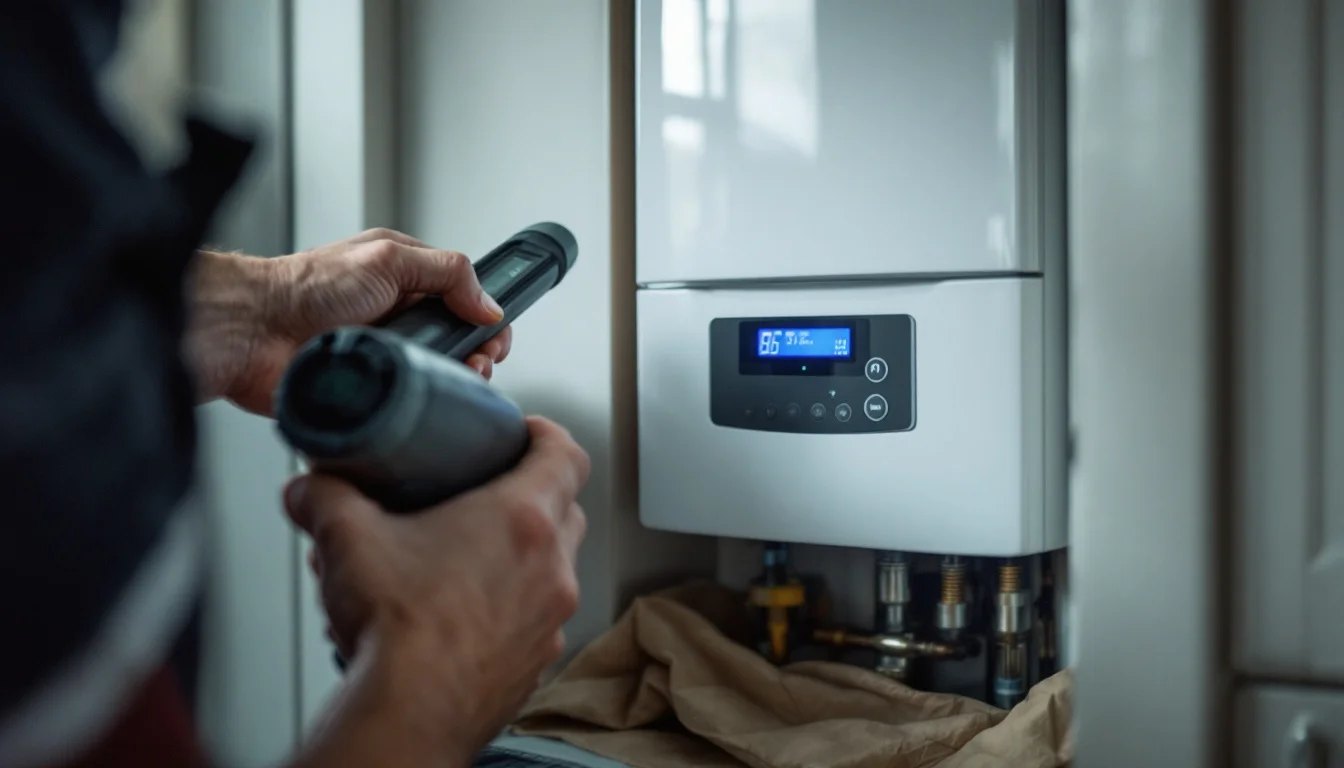
When the radiators stay cold on a January morning in Highcliffe, or the shower runs lukewarm in Mudeford, you want two answers quickly: what has gone wrong, and can you sort it yourself? This guide to boiler repairs Christchurch covers the faults local households report most often. It sets out the safe checks worth trying first, and the point where the law says you must stop and call a Gas Safe registered engineer. It also explains what a good repair visit should look like.
Quick answer: Most Christchurch boiler faults come down to low pressure, a frozen condensate pipe, a thermostat or timer problem, or a failed part such as a diverter valve or pump. You can check settings, top up pressure and reset the boiler once. Anything involving gas, the casing or internal parts needs a Gas Safe engineer.
Key Takeaways
-
Check the simple things first: power, timer, thermostat and the pressure gauge, which should usually read 1–1.5 bar when the system is cold.
-
A gurgling boiler that locks out on a freezing morning often has a frozen condensate pipe, which you can thaw with warm, not boiling, water.
-
Reset a locked-out boiler once only. Repeated lockouts mean a fault that needs proper diagnosis.
-
By law, only a Gas Safe registered engineer may work on gas appliances. Never take the front casing off your boiler.
-
If a boiler is over 12–15 years old and the repair costs more than about a third of a replacement, get a quote for both.
Why Boilers Break Down in Christchurch Homes
Christchurch sits where the Avon and the Stour meet, its water is hard, and its housing ranges from interwar semis around Purewell and Jumpers to the bungalows of Highcliffe and newer estates near Burton and Somerford. Each brings its own weak points, which is why so many calls for boiler repairs Christchurch engineers receive follow the same few themes.
Hard water and salt air
Hard water leaves limescale behind every time it is heated. In a combi boiler, scale builds up in the plate heat exchanger that warms your tap water. The early signs are hot water that surges hot and cold, weaker flow at the taps and a rumbling or kettling noise. Left alone, scale causes overheating lockouts and eventually a failed heat exchanger, so a scale reducer on the incoming cold main is a sensible precaution in this area.
Near the sea, in Mudeford, Friars Cliff and along the Highcliffe clifftop, salt-laden air corrodes flue terminals and external pipework. Strong south-westerlies can also push flue gases back towards the terminal on exposed installations, causing intermittent flame failure faults. If your boiler only plays up on blustery days, tell the engineer, because it narrows the search considerably.
Sludge and the first cold snap
Radiators and pipework slowly corrode from the inside, creating a black magnetite sludge. It leaves cold patches at the bottom of radiators and clogs pumps, valves and the narrow waterways of a modern heat exchanger. A magnetic filter, such as a MagnaClean installation on the return pipe, catches this debris before it does damage, and a powerflush can clear a system that is already badly sludged.
Timing matters too. A pump or diverter valve that has sat idle all summer can stick, and these faults tend to show themselves on the first chilly evening of October, when every engineer in Dorset is busiest. Running the heating for 20 minutes or so in late September gives you time to spot a problem early.
No Heating, No Hot Water or Losing Pressure
These faults prompt the most urgent calls, yet a fair share have simple causes. Work through the checks below before assuming the worst.
No heating or no hot water
Start with power: check the fused spur near the boiler and look at your consumer unit for a tripped breaker. After a power cut or a clock change, a mechanical timer may simply show the wrong time. Make sure the room thermostat is set above the current room temperature, and try fresh batteries in a wireless one. If your gas hob won’t light either, the problem is the supply or meter, not the boiler, so contact your gas supplier.
The pattern of the fault tells an engineer a lot. On a combi, hot water but no heating, or the reverse, usually points to the diverter valve. On a system or regular boiler with a hot water cylinder, a motorised zone valve or the cylinder thermostat is more often to blame. If the boiler clicks, tries to fire, then shows a fault light, it has gone into ignition lockout, which can be caused by anything from a worn electrode to a gas pressure problem.
Low pressure and leaks
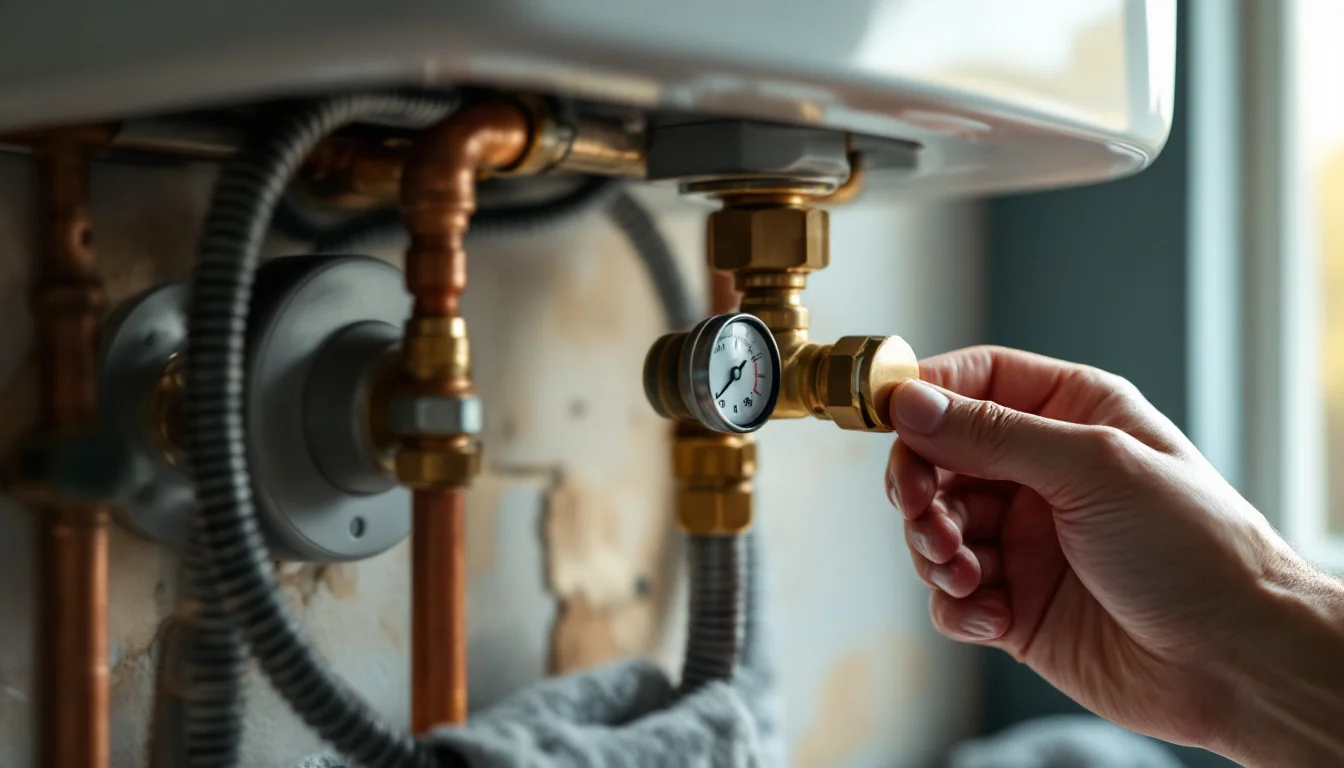
Sealed systems need water pressure to run. With the heating off and cold, the gauge should read roughly 1–1.5 bar; below about 1 bar many boilers won’t fire. To top up, switch off and let the boiler cool, then slowly open the filling loop valves (usually a braided hose beneath the boiler), watch the needle reach around 1.2–1.5 bar and close them firmly. Your manual shows the exact layout for your model.
If the pressure drops again within days, water is escaping somewhere. Check radiator valves and visible joints for drips or green staining, and look outside at the copper pressure relief pipe. If it is dripping, the system is over-pressurising, often because the filling loop was left open or the expansion vessel has lost its air charge. Pressure that shoots up when hot and crashes when cool is the classic sign. Both repairs are engineer jobs, as they sit inside or on the boiler.
Noisy Boilers, Frozen Condensate Pipes and Fault Codes
A boiler making new noises, or flashing a code you don’t recognise, is telling you something. Some warnings are easy to deal with; others need prompt attention.
Banging, kettling and gurgling
Kettling, a rumble like a kettle coming to the boil, is common across Christchurch and the wider Bournemouth area because of the hard water: scale or sludge on the heat exchanger makes water boil in pockets. Gurgling usually means air in the system, which bleeding the radiators often cures (top the pressure back up afterwards). Ticking pipes may be loose clips under floorboards expanding as they heat. A whining or grinding noise from inside the boiler often means a failing pump or fan, and that needs an engineer.
Frozen condensate pipes and fault codes
Condensing boilers drain mildly acidic water through a plastic condensate pipe, which can freeze where it runs outside. The coast is milder than inland Dorset, but cold snaps still catch out homes from Burton to Bransgore. The signs are gurgling and a lockout code on a freezing morning. Pour warm, not boiling, water along the pipe, working back from the open end, then reset the boiler. Boiling water can crack the plastic. If it keeps freezing, an engineer can reroute the pipe internally or fit a wider, insulated run.
Fault codes are brand-specific, so always check your manual. On many Vaillant ecoTEC boilers, for example, F.22 means low water pressure and F.28 an ignition failure, while on many Baxi models E119 means low pressure. Note the exact code and what the boiler was doing when it appeared. It helps whoever handles your boiler repairs Christchurch visit bring the likely parts, which can save a second trip.
Safe Checks Versus Jobs for a Gas Safe Engineer
There is a clear line between what you can safely try and what you must leave alone. Staying on the right side of it protects your family and keeps your warranty and home insurance valid. We look at new boiler installation Poole in more detail in a separate article.
What you can safely do yourself
Without opening the boiler, you can check the power and fuse, reset the timer and thermostat, top up the pressure, bleed radiators, thaw a frozen condensate pipe and press the reset button. Use the reset once. If the boiler locks out again, something is causing it, and repeated resets can mask the fault or make it worse. You can also look for obvious leaks and keep the area around the boiler and flue clear. That is where your role ends.
Where the law draws the line
Under the Gas Safety (Installation and Use) Regulations 1998, anyone working on a gas appliance, including removing the casing, replacing internal parts or adjusting gas pressures, must be on the Gas Safe Register. That applies whether or not they charge, so a handy friend or relative cannot legally do it either. Ask to see the engineer’s Gas Safe ID card and check the back shows the right category for domestic boilers. The Health and Safety Executive explains the rules in its gas safety guidance (the HSE).
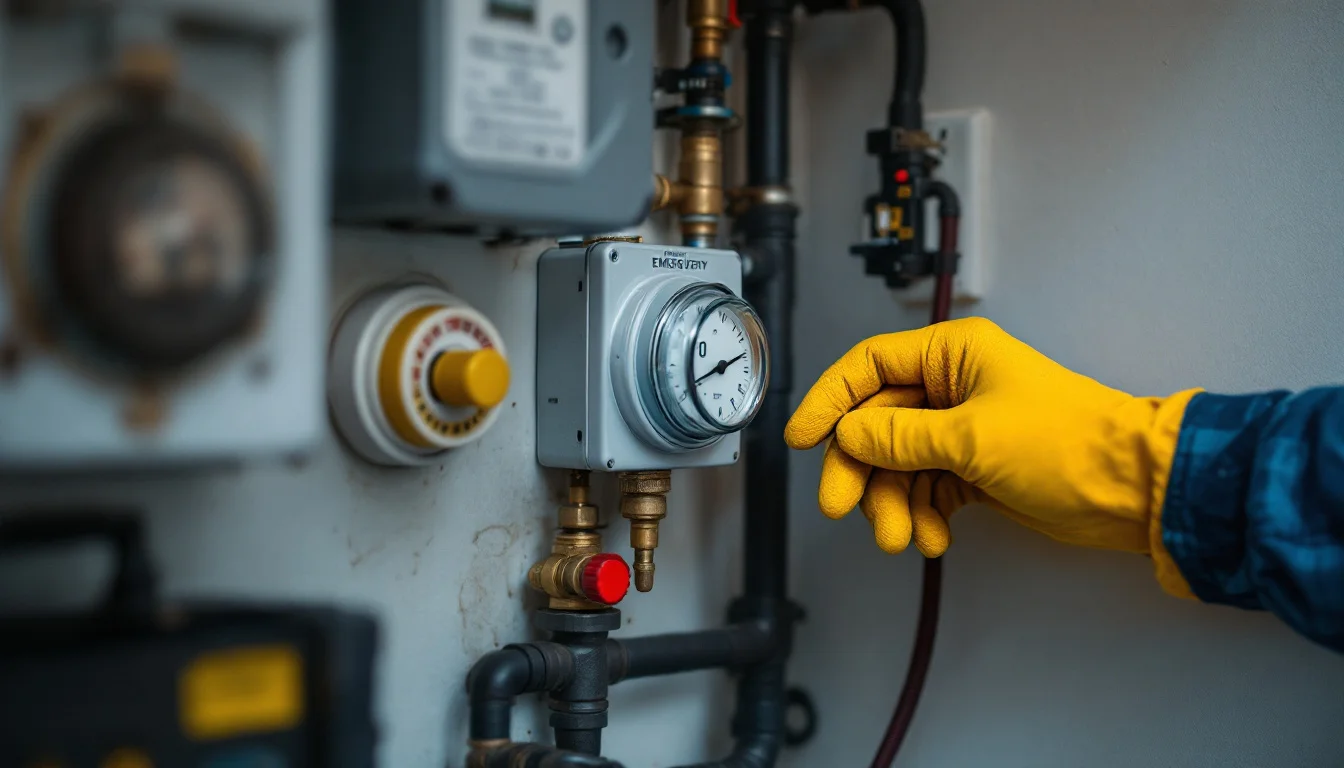
The reason is carbon monoxide. A badly burning boiler can produce this colourless, odourless gas, and symptoms such as headaches, dizziness, nausea and tiredness are easily mistaken for flu. Read the NHS guidance on carbon monoxide poisoning and fit a working CO alarm. If you smell gas, avoid light switches and naked flames, open windows, turn the gas off at the meter if you can, leave the property and ring 0800 111 999.
What to Expect When Booking Boiler Repairs Christchurch
A good repair visit should feel organised and transparent from the first call. Here is what to prepare and what to expect.
Before and during the visit
Have a few details ready: the boiler make and model (on the data badge, often under the front panel), its rough age, any fault code, what happened just before it stopped and when it was last serviced. Check whether it is still under the manufacturer’s warranty, as some warranties require repairs by the manufacturer’s own engineers. Mention anyone elderly, unwell or with a young baby in the home, as that may affect how the job is prioritised.
A good engineer confirms the symptoms, then tests methodically rather than guessing: checking gas pressure at the appliance, running a flue gas analyser and inspecting the flue, seals and condensate route. You should get a clear explanation and a price before any parts are fitted. The team at Gas React are fully qualified Gas Safe engineers with over 20 years’ experience serving Dorset, covering Christchurch, Bournemouth, Poole, Ferndown and West Moors. You can read more about their approach to boiler breakdowns.
Typical costs and when to replace
The cost of a repair depends on what has failed, the part needed for your make and model, and how long the diagnosis takes. A sensor or ignition electrode is usually a quicker, cheaper fix than a pump, diverter valve, circuit board or heat exchanger. Your engineer should explain the fault and confirm the price before any parts are fitted.
Gas React‘s published prices for a new boiler installation start from £1,699 for a Glow-worm boiler, and the final figure depends on the boiler and pipework. If your boiler is over 12–15 years old, parts are scarce, or the repair is more than about a third of a replacement, replacement often makes more sense, and a modern condensing boiler uses noticeably less gas. A trustworthy engineer will set out both options and let you decide.
Frequently Asked Questions
Is it safe to reset my boiler myself?
Yes, the reset button is designed for householders and is safe to press once. If the boiler fires up and keeps running, keep an eye on it. If it locks out again, stop resetting and book an engineer, because repeated lockouts point to a fault that needs diagnosing.
Why does my boiler keep losing pressure?
Steady pressure loss means water is escaping, usually from a weeping radiator valve, a hidden joint or the pressure relief valve discharging outside. A faulty expansion vessel can also make pressure swing. Topping up buys time, but the leak or faulty part needs fixing.
How quickly can I get boiler repairs Christchurch homes can rely on?
It depends on demand and the time of year, with autumn and winter cold snaps the busiest. Give the fault code and boiler model when you call so the engineer can bring likely parts, and mention anyone vulnerable in the home.
Can any plumber fix my boiler?
A plumber can repair leaks on radiators and pipework, but any work on the boiler itself must be done by a Gas Safe registered engineer. Always ask to see the ID card and check it covers domestic gas boilers.
Should I repair or replace an old boiler?
If the boiler is under ten years old and the repair is modest, fixing it usually makes sense. Over 12–15 years, with obsolete parts or a costly fault such as a failed heat exchanger, replacement is often better value and will cut your gas bills.
A boiler that won’t fire, keeps losing pressure or has started kettling rarely fixes itself, and catching a fault early is usually cheaper than a full breakdown in midwinter. Try the safe checks above first. If they don’t solve it, the team at Gas React can help with boiler repairs Christchurch households can trust, as well as across Bournemouth, Poole, Ferndown and West Moors. Call 01202 028 171 or get in touch through the website to arrange a visit from a Gas Safe engineer.