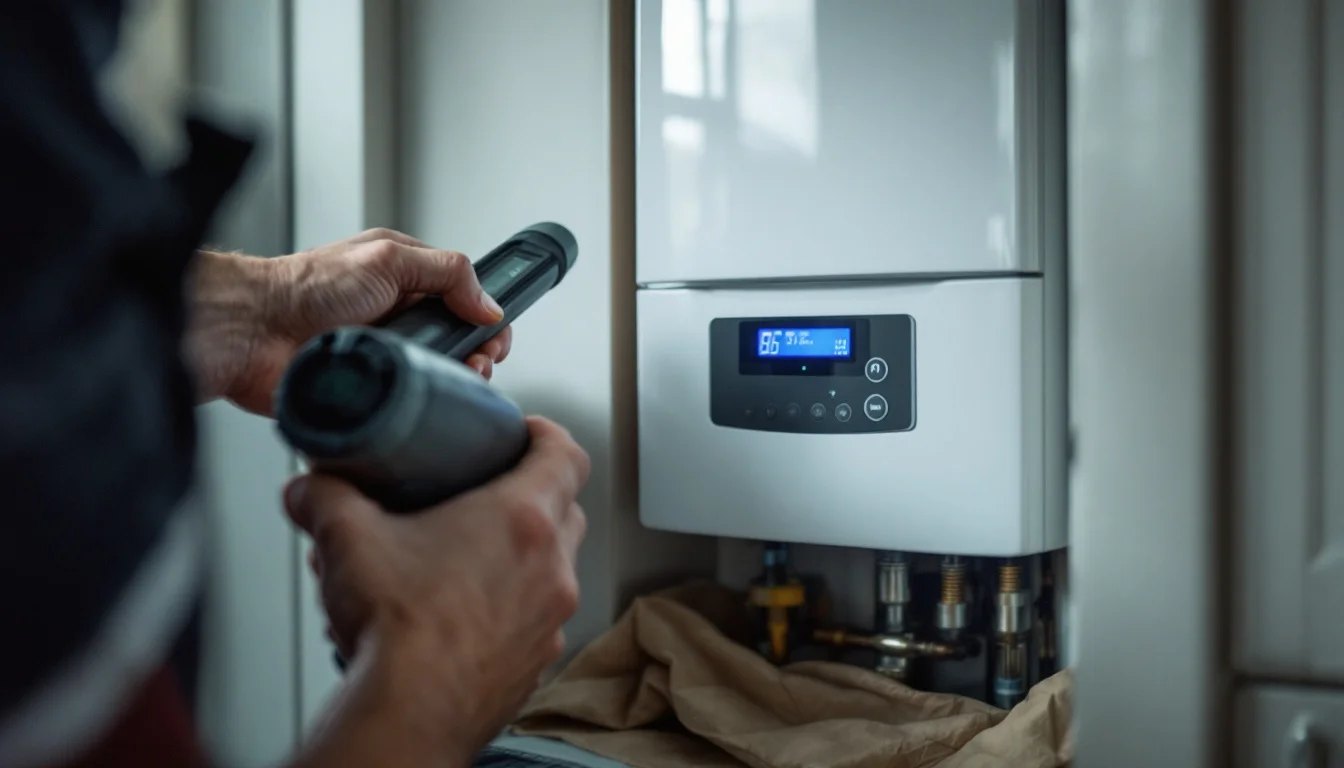

A boiler that clanks into life every morning, needs topping up every few weeks or keeps flashing fault codes is usually telling you its time is nearly up. Planning a new boiler installation Bournemouth families can rely on starts with understanding what you are actually paying for. Two quotes for the ‘same’ boiler can differ by well over £1,000. This guide covers the real cost drivers, what a proper survey looks like, what happens on fitting day and the paperwork that protects you afterwards.
Quick answer: A like-for-like combi boiler swap in Bournemouth typically costs £2,000 to £3,200 fitted. A combi conversion or relocation usually costs £3,200 to £5,000. Insist on a home survey, a Gas Safe registered engineer and a written itemised quote. Make sure the job is notified under Building Regulations and the warranty is registered.
Key Takeaways
-
The boiler itself is often less than half the bill. Labour, flue, pipework, controls and system cleaning make up the rest.
-
Combi conversions and boiler relocations add one to two days of work and typically £800 to £2,000 to the price.
-
A proper quote follows a survey in your home and lists the boiler model, output, warranty length, filter, cleanse and controls.
-
Only a Gas Safe registered engineer can legally fit a gas boiler, and the job must be notified so you receive a Building Regulations Compliance Certificate.
-
Manufacturer warranties of 5 to 12 years usually depend on registration within 30 days and an annual service.
New Boiler Installation Bournemouth: What Drives the Price
Prices quoted across Bournemouth, Poole and Christchurch vary because no two homes are set up the same way. The most common new boiler installation Bournemouth households ask about is a straight combi-for-combi swap in the same position, which is the cheapest and quickest job. Anything that changes the type of system, the boiler’s location or the route of the flue adds labour and materials.
Boiler type, output and brand
A combi boiler heats water on demand straight from the mains, with no cylinder or loft tank. It suits flats and houses with one bathroom, which is why it is so common in converted Victorian flats around Boscombe, Westbourne and Southbourne. A system boiler works with a hot water cylinder, often an unvented one at mains pressure, and is the better fit for homes where two showers may run at once. A regular boiler works with a cylinder and cold water tanks in the loft, a set-up still found in many older bungalows around Ferndown and West Moors.
Output matters as much as type. Combis are sized mainly for hot water flow and usually run from 24kW to 35kW, and oversizing simply wastes money. Premium models often cost £300 to £700 more than mid-range ones but usually carry longer warranties. A combi can only deliver what your mains flow allows, so a good engineer will measure litres per minute before recommending one. Hard water is common across south-east Dorset, and Building Regulations guidance calls for a scale reducer on combi installations where hardness exceeds 200 parts per million.
Conversions, relocations, flues and pipework
A combi conversion means removing the cylinder and loft tanks, capping redundant pipework and re-routing the hot and cold feeds. It frees up the airing cupboard and loft, but usually takes two to three days rather than one. Moving the boiler, say from a kitchen wall into a loft or garage, needs a new gas run, condensate route and flue position. Flues must sit set distances from opening windows, doors, boundaries and gutters, and some homes need a vertical flue or a plume management kit.
Gas supply is the hidden cost many people miss. Modern combis draw a lot of gas at full output, and an old 15mm pipe from the meter often needs upgrading to 22mm. External condensate runs should be at least 32mm and insulated, or they can freeze and lock the boiler out on the first frosty morning. The table shows typical prices across Dorset in 2026. These are general market figures, not Gas React‘s own prices.
What a Proper Survey and Quote Should Look Like
A price given over the phone from a photo of your boiler is a guess, not a quote. Any new boiler installation Bournemouth residents commission should begin with an engineer in the property, looking at the gas meter, the existing system and the walls the flue will pass through. That visit is where most surprises are found, and it is far better to find them before work starts.
What the engineer should check in your home
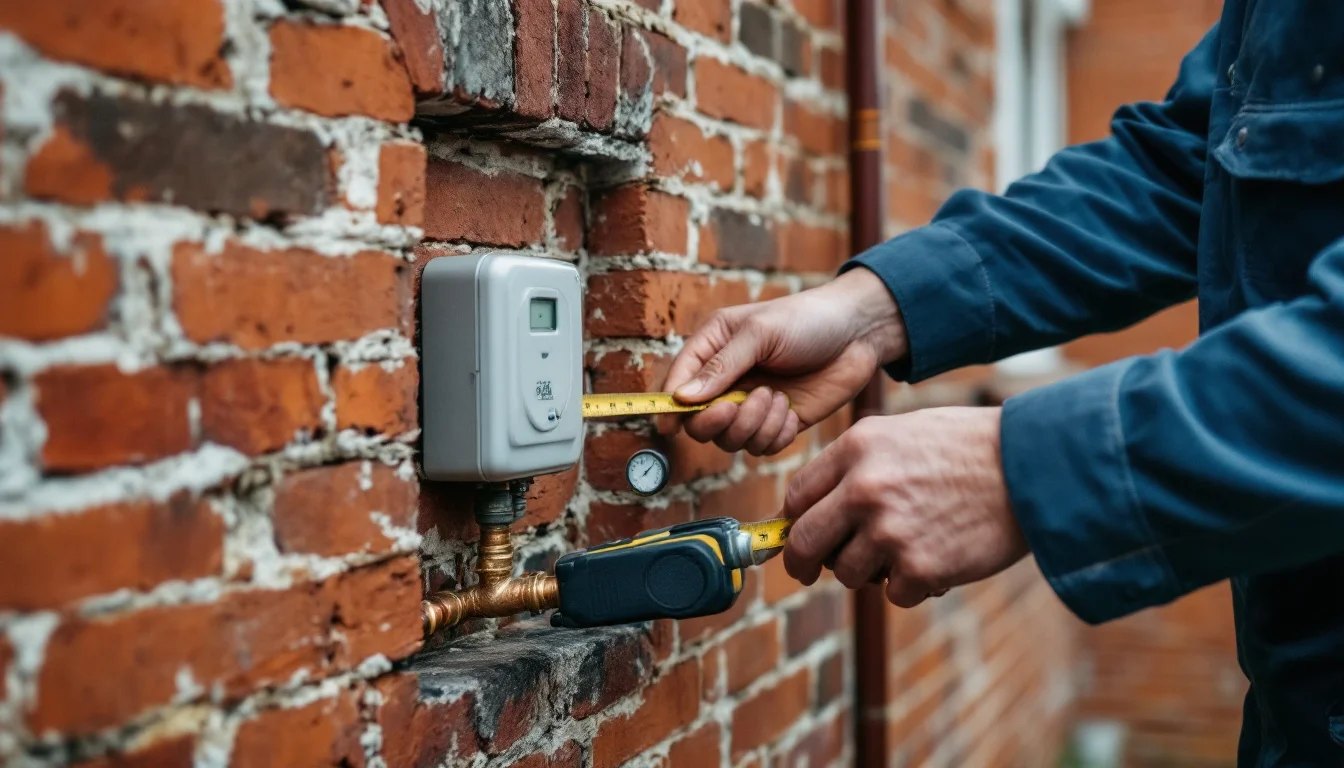
A thorough surveyor will trace and measure the gas pipe from the meter, check mains water pressure and flow, and work out where the flue can legally go and where the condensate can drain. They should check your radiators, because cold spots at the bottom usually point to sludge. They should also ask how your household uses hot water. How many bathrooms do you have? Do people shower at the same time? Are you planning an extension? Those answers decide whether a combi is right or whether you need a system boiler and cylinder.
The survey is also the time to raise wider improvements. Since the 2022 update to Part L of the Building Regulations, a replacement boiler should come with room-by-room temperature control where reasonably practicable. In most homes that means thermostatic radiator valve installation on radiators that do not already have them.
Reading the quote line by line
A good written quote is itemised. It names the boiler make, model, kW output and warranty length. It lists the flue kit, system filter, cleaning method, inhibitor and controls, plus any gas or condensate pipework changes, disposal of the old boiler and Building Regulations notification. Be wary of vague lines such as ‘system flush’ with no method stated, or quotes full of ‘subject to’ caveats.
Under the Consumer Rights Act 2015, work must be carried out with reasonable care and skill. If you sign a contract in your own home, you normally get a 14-day cancellation period. Check the deposit terms, when the balance is due and whether VAT is included.
What Happens on Installation Day
For a straight swap, an engineer usually arrives in the morning and has heating and hot water back on by late afternoon. Conversions and relocations spread over two or three days, and you will be without hot water for part of that time, so plan showers and laundry around it.
Out with the old, in with the new
The first jobs are protecting floors, then isolating the gas, water and electrics. The system is drained and the old boiler comes off the wall. On a conversion, the cylinder and loft tanks come out too. Then the new bracket goes up, the flue is cut in and sealed, and the gas, water, heating and condensate connections are made. A tidy installer clears up as they go and takes the old boiler, pipes and packaging away.
Cleaning, filtering and commissioning
This stage separates a careful installation from a rushed one. British Standard BS 7593 sets out how a heating system should be cleaned and protected when a new boiler is fitted. A heavily sludged system may need a powerflush; a cleaner one may only need a chemical cleanse. Either way, the system is refilled, dosed with inhibitor and fitted with a magnetic filter on the return pipe. Many manufacturers treat a filter as a warranty condition, so ask about MagnaClean installation if it is not in your quote.
Finally the boiler is commissioned. The engineer carries out a gas tightness test, checks the gas rate and uses a flue gas analyser to confirm clean, safe combustion. Combis must also include an energy-saving feature, such as weather compensation or a smart thermostat with optimisation. The engineer completes the commissioning record and should show you the controls, how to top up the pressure and where the filter is.
Gas Safe, Building Regulations and Your Warranty on a New Boiler Installation Bournemouth
The paperwork after a new boiler installation Bournemouth households sign off on matters almost as much as the boiler itself. It proves the work is legal, keeps your warranty valid and saves headaches when you sell. For more on this, read our article on new boiler installation Poole.
Gas Safe registration and Building Regulations notification
Under the Gas Safety (Installation and Use) Regulations 1998, only a business on the Gas Safe Register can legally install a gas boiler. Ask to see the engineer’s Gas Safe ID card and check the back lists domestic natural gas and boilers among their qualifications.
Replacing a boiler is notifiable building work. A Gas Safe registered engineer self-certifies it, normally within 30 days, and you then receive a Building Regulations Compliance Certificate by post. The local authority is informed too: BCP Council for Bournemouth, Christchurch and Poole, or Dorset Council for Ferndown and West Moors. Keep the certificate safe, as conveyancing solicitors routinely ask for it. The government’s guidance on Building Regulations approval explains how competent person schemes work.
Making the manufacturer warranty count
Manufacturer warranties typically run from 5 to 12 years, but they are rarely automatic. Most must be registered within 30 days of installation, so check whether your installer does this for you. Nearly all also require an annual service by a Gas Safe registered engineer, with the record kept as proof. Miss a year and a claim may be refused, so diarise the first service on the day the boiler goes in.

How to Choose a Trustworthy Local Installer
The cheapest quote often leaves out the cleanse, the filter or the gas pipe upgrade, and you pay for it later. Choosing the right firm for a new boiler installation Bournemouth-wide comes down to a few checks before you sign.
Signs of an installer worth hiring
Look for a firm that surveys before quoting, explains options clearly, turns up when it says it will and leaves your home tidy. Local experience counts: an installer working across Bournemouth, Poole and Christchurch will know the flue challenges in flats, the hard water and the frost-prone condensate runs on exposed bungalows. Check the business is insured and read recent reviews.
It also helps if the same firm handles the plumbing as well as the gas work, because a combi conversion often involves moving pipework or removing a cylinder. Gas React’s fully qualified Gas Safe engineers design and install domestic heating and hot water systems, and the team are qualified plumbers too, with over 20 years serving Dorset.
Red flags to walk away from
-
A fixed price given without seeing your home
-
Pressure to sign ‘today only’
-
A large deposit demanded before work is booked
-
Cash-only payment with no written paperwork
-
Reluctance to show a Gas Safe ID card
-
A quote with no named boiler model or warranty length
For independent help comparing brands before your survey, Which? boiler reviews is a useful place to start.
Frequently Asked Questions
How long does a new boiler installation take?
A like-for-like combi swap in the same position is usually done in one day. A conversion to a combi, or a relocation to a loft or garage, typically takes two to three days, depending on pipework changes and whether a powerflush is needed.
Will I be without heating and hot water during the work?
Yes, for at least part of each working day, as the system must be drained and isolated. On multi-day jobs a good installer will try to restore heating overnight. Mention it at the survey if anyone in the house is elderly, unwell or very young.
Do I need new radiators with a new boiler?
Not usually. Most radiators work well once the system is cleaned and protected with inhibitor. Badly corroded or leaking radiators are worth replacing, and some rooms may benefit from larger ones so the boiler can run at lower, more efficient temperatures.
Is a combi boiler right for my home?
A combi suits most flats and one-bathroom houses with decent mains flow. With two or more bathrooms in use at once, or weak mains pressure, a system boiler with an unvented cylinder usually works better. The survey should measure your flow rate first.
What paperwork should I receive after installation?
You should get the completed commissioning record, confirmation of warranty registration (or instructions to do it yourself) and the Building Regulations Compliance Certificate, which arrives by post within a few weeks. Keep them with your annual service records.
Getting the survey, the quote and the paperwork right means years of reliable, efficient heat. If you are in Bournemouth, Poole, Christchurch, Ferndown, West Moors or elsewhere in Dorset, the team at Gas React would be glad to visit, look at your current set-up and talk you through the options. Call 01202 028 171 or get in touch through the website to arrange your survey.